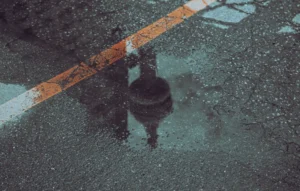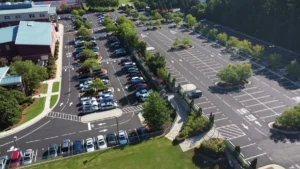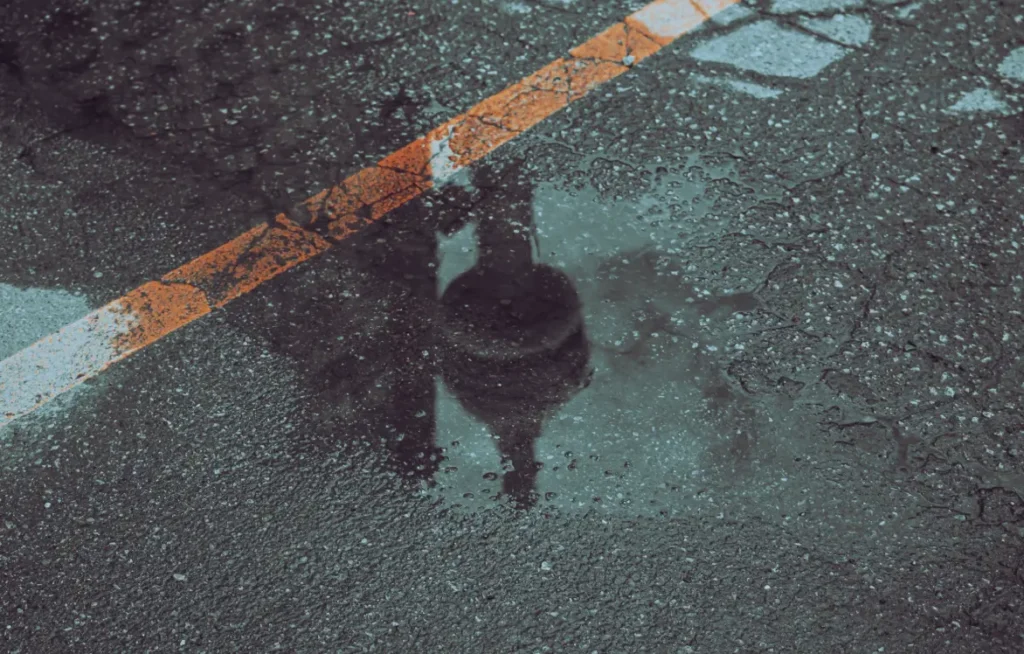
If you notice standing water in your parking lot after heavy rain or puddles that keep returning to the same spots, your pavement may have a drainage problem. Poor parking lot water drainage increases the risk of potholes and damage to the pavement’s supporting layers.
RDC Paving serves commercial properties throughout Austin and Central Texas, providing expert paving and parking lot repair services. Below, we’ll explain what causes standing water, how to spot potential damage, and how to get parking lot water damage repair.
What Causes Water to Pool in a Parking Lot?
Proper parking lot water drainage depends on the pavement’s slope, drain clearance, and the stability of the foundation beneath the surface. Common causes of standing water include:
Improper grading or slope: Grading determines how water flows across your parking lot. If the pavement slopes in the wrong direction or lacks proper drainage paths, rainwater will collect in low areas.
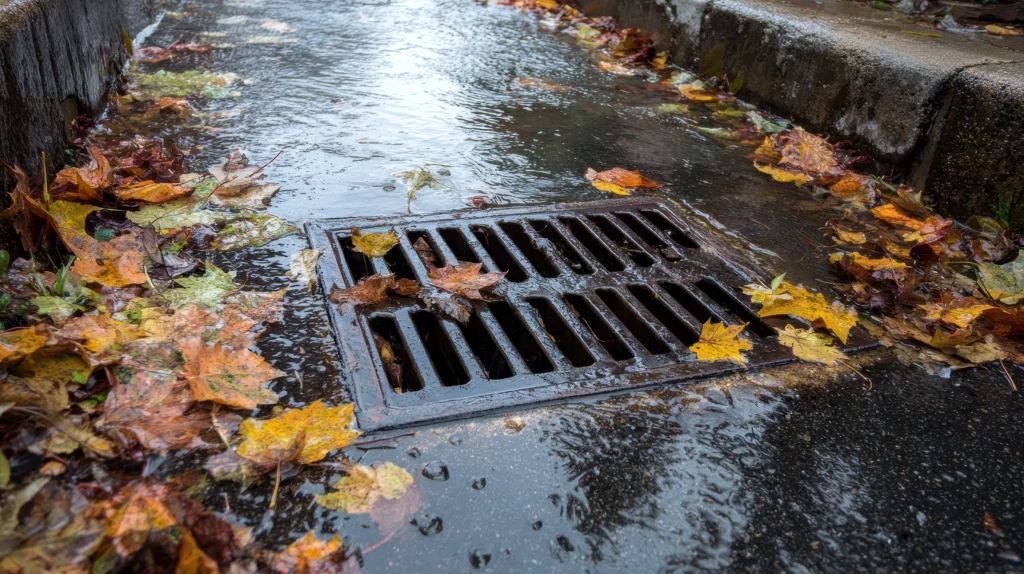
Clogged or inadequate drains: Leaves, dirt, and debris block catch basins, preventing water from flowing away. Clogged drainage systems struggle to handle heavy rainfall, especially during Central Texas storms.
Settled pavement and low spots: Over time, your asphalt can settle unevenly. These depressions often indicate problems with the pavement’s underlying base and can trap water.
Damaged curbs and drainage paths: Cracked curbs, broken pavement edges, and blocked drainage channels interrupt water flow and cause pooling near parking spaces, entrances, or walkways.
Small puddles that disappear shortly after rainfall don’t always indicate serious damage. However, recurring standing water, especially near cracks, potholes, or sinking pavement, often signals a drainage or structural problem that needs professional attention.
What Happens When Parking Lot Water Drainage Fails?
Persistent standing water adds stress to your parking lot, especially when moisture enters existing cracks or reaches the pavement’s supporting layers. Delaying repairs allows existing damage to spread, potentially turning minor pavement repairs into larger restoration projects.
Common examples of parking lot water damage include:
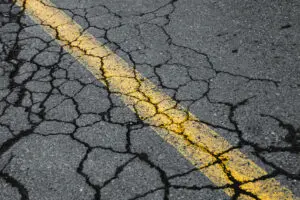
Cracks and potholes: Water enters existing cracks and weakens damaged pavement, leading to larger cracks and potholes.
Base and sub-base damage: Excess moisture weakens the layers beneath the asphalt, increasing the risk of erosion, sinking pavement, and structural damage.
Recurring depressions: Weak or unstable supporting layers cause low spots to return, even after surface patching.
How to Fix Water Pooling in a Parking Lot
The right parking lot water damage repair depends on what’s causing the pooling, how much pavement it affects, and the condition of the underlying base.
Correct Grading and Repairing Low Spots
If uneven pavement causes water to collect, regrading restores the proper slope and directs runoff toward drainage areas. Isolated low spots require localized patching, while widespread settlement or damaged supporting layers require more extensive repairs. RDC Paving provides parking lot repair services to address potholes, damaged asphalt, and deteriorating pavement.
Clean or Repair Existing Drains
Clear debris blockages to restore water flow when clogged drains are contributing to standing water. However, damaged or undersized drains require additional repairs, and cleaning alone won’t resolve pooling caused by improper grading or settled pavement.
Install or Improve Drainage Infrastructure
Persistent pooling sometimes requires new drainage infrastructure when the existing system fails to direct water away from your parking lot. Depending on the property’s layout, contractors may install catch basins, trench drains, surface drainage channels, or underground drainage systems. Proper drainage design accounts for where runoff collects, how it moves across the pavement, and where it safely exits the property.
When Is Resurfacing or Reconstruction Necessary?
Resurfacing works best when the underlying pavement remains stable, and contractors correct existing drainage problems. Widespread settlement, recurring potholes, or base damage often require deeper repairs or reconstruction.
Standing water and uneven pavement create slip-and-trip hazards for pedestrians and driving hazards for vehicles. Drainage repairs must also keep parking spaces and walkways accessible. If standing water keeps returning, contact RDC Paving to discuss the right repair solution for your property.
How to Prevent Water Pooling From Returning
Regular parking lot maintenance reduces the risk of standing water and catches drainage problems before they lead to costly repairs. A professional maintenance plan should focus on three key areas:
Inspect drains and drainage paths: Have a professional check for sediment buildup, clogged inlets, and damaged drainage channels that prevent proper water flow.
Monitor pavement after rainfall: Watch for recurring puddles, new low spots, or deteriorating pavement edges that signal underlying drainage issues.
Address cracks and surface damage promptly: Schedule crack filling and asphalt repairs to prevent water from reaching the pavement’s supporting layers.
When Should You Call a Parking Lot Contractor About Standing Water?
Standing water doesn’t always indicate serious damage, but recurring pooling often points to a larger drainage or pavement problem.
Schedule a professional assessment if you notice:
Water repeatedly collects in the same areas after rainfall
Puddles form near cracks, potholes, or sinking pavement
Drains appear clogged, damaged, or unable to handle runoff
Previous pavement repairs haven’t resolved the pooling
Standing water affects walkways, accessible parking spaces, entrances, or vehicle traffic
Serving Austin and Central Texas, RDC Paving provides comprehensive pavement solutions, from asphalt and concrete repairs to striping.
Contact us to schedule an evaluation and get a quote.