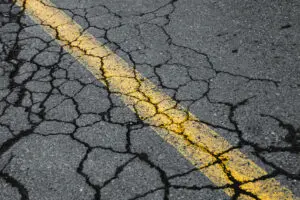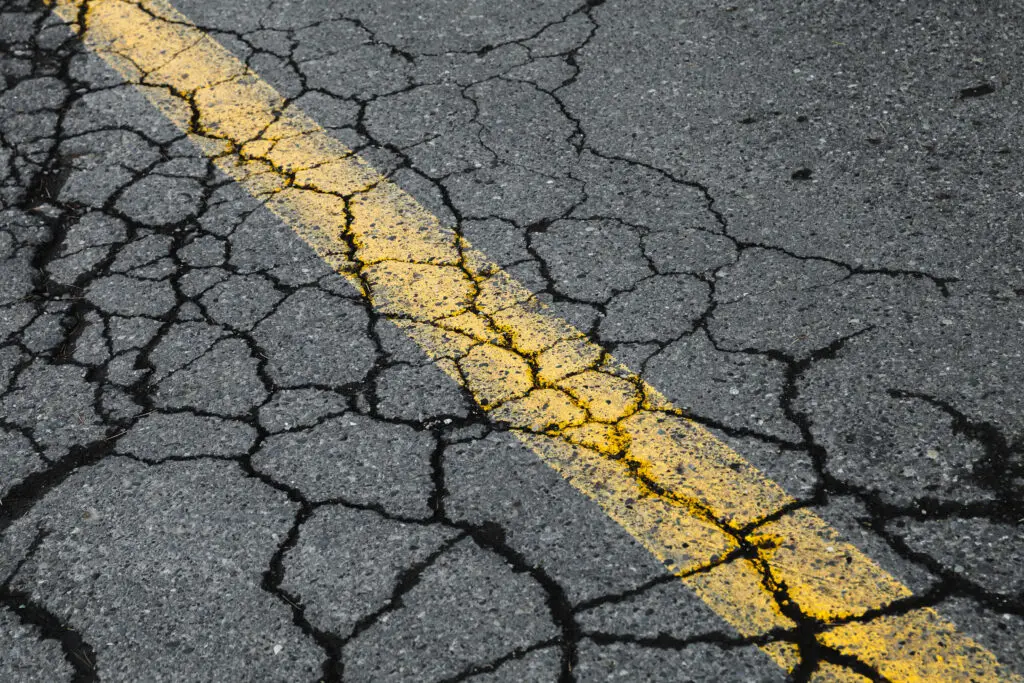
When asphalt pavement begins to crack, develop potholes, or show signs of deterioration, property owners face an important question: What type of repair will provide the best results?
The answer depends on the extent of the damage, the condition of the underlying pavement structure, drainage, traffic demands, and long-term maintenance goals.
Three common approaches to addressing asphalt deterioration are patching, resurfacing, and reconstruction. Understanding the differences can help commercial property owners make informed decisions about their parking lots, drive lanes, and other paved surfaces.
Asphalt Patching: Addressing Localized Damage
Patching is often appropriate when damage is concentrated in specific areas and the surrounding pavement remains in reasonably good condition.
Common reasons for patching include potholes, localized cracking, deteriorated pavement sections, and isolated areas where water or traffic has damaged the surface.
Depending on the condition of the pavement, patching may involve removing damaged asphalt and replacing it with new material. Some repairs require addressing the underlying base before new asphalt is installed.
When is Patching the Right Choice?
Patching may be a good option when:
- Damage is limited to particular areas of the pavement.
- The surrounding asphalt remains structurally sound.
- Localized repairs can address the cause of the deterioration.
- A full resurfacing or reconstruction project is not currently necessary.
The primary advantage of patching is that it targets damaged areas without requiring work across the entire paved surface.
However, patching is not always the best long-term solution. If cracks, potholes, and deterioration are widespread, repeated localized repairs may become less practical than a broader rehabilitation project.
Asphalt Resurfacing: Renew the Pavement Surface
Resurfacing involves placing a new asphalt layer over an existing pavement surface that remains suitable to support it.
This approach can improve appearance, restore a more uniform driving surface, and address widespread surface wear without removing and rebuilding the entire pavement structure.
Before resurfacing, the existing pavement must be evaluated. Significant structural damage, unstable base materials, persistent drainage problems, and other underlying issues may need to be corrected first.
When is Resurfacing the Right Choice?
Resurfacing may be appropriate when:
- Surface deterioration is widespread.
- The existing pavement structure remains suitable for an overlay.
- The underlying base is sufficiently stable.
- The property would benefit from a renewed asphalt surface.
Resurfacing can be a practical middle ground between localized repairs and full reconstruction.
However, it is not a cure for every pavement problem. If the underlying structure is failing, adding a new asphalt layer may only conceal the damage temporarily. Proper evaluation and preparation are essential to achieving a satisfactory result.
Asphalt Reconstruction: Address Deeper Problems
Reconstruction is the most extensive of these three approaches. It typically involves removing existing pavement and rebuilding some or all of the pavement structure.
The scope may include excavation, base replacement, drainage improvements, grading, and installation of new asphalt. The exact process depends on the condition of the existing pavement and the property’s requirements.
When is Reconstruction the Right Choice?
Reconstruction may be necessary when:
- Deterioration extends through multiple pavement layers.
- The underlying base has become unstable.
- Severe rutting, settlement, or recurring failures indicate structural problems.
- Drainage or grading issues require substantial correction.
- Repeated surface repairs have failed to provide an effective solution.
Although reconstruction generally requires a greater initial investment and more extensive site work, it may be the more appropriate long-term solution when the existing pavement structure can no longer provide reliable performance.
How Do the Three Options Compare?
| Consideration | Patching | Resurfacing | Reconstruction |
| Typical scope | Localized repairs | New asphalt layer over suitable existing pavement | Removal and rebuilding of some or all pavement layers |
| Best suited for | Isolated damage | Widespread surface wear with a suitable underlying structure | Extensive structural deterioration |
| Relative project scope | Smaller | Moderate | More extensive |
| Main consideration | Whether damage is truly localized | Whether existing pavement can support an overlay | How much of the pavement structure must be rebuilt |
These are general comparisons, not guarantees of project cost or duration. Actual requirements depend on the property’s condition and the scope of work.
Consider More Than The Appearnce of the Pavement
A parking lot may look worn without having significant structural problems. Conversely, pavement that appears reasonably smooth may have underlying issues that are not obvious from the surface alone.
Before selecting a repair method, property owners should consider:
Pavement condition: Are cracks and potholes isolated, or is deterioration widespread?
Underlying structure: Is the base stable, or are there signs of settlement and structural failure?
Drainage: Does water collect on the pavement or enter damaged areas?
Traffic demands: Will the pavement need to accommodate heavy vehicles, frequent deliveries, or substantial daily traffic?
Long-term goals: Is the priority to preserve serviceable pavement, renew the surface, or address extensive deterioration?
A professional assessment helps connect these factors to the appropriate repair strategy.
Plan Your Investment with RDC Paving
Choosing between patching, resurfacing, and reconstruction is about finding the right solution for the condition of your pavement, not simply choosing the most extensive or least expensive option.
Targeted repairs may be sufficient for isolated damage, resurfacing can renew suitable pavement with widespread surface wear, and reconstruction may be necessary when deeper structural problems exist.
RDC Paving can help evaluate your property’s pavement condition and determine which services may best support your operational needs and long-term goals.
Not sure which pavement solution you need? Contact RDC Paving to discuss your project and explore the options available for your property.