Cracks, settlement, and uneven pavement don’t always start at the surface. In Central Texas, expansive clay soil beneath a parking lot or roadway can shift as moisture levels change, putting stress on the pavement above.
Soil stabilization improves soil strength and stability before installing pavement or other structures. For commercial properties across Austin, Round Rock, Leander, and surrounding areas, proper subgrade preparation provides a more dependable foundation for new pavement.
How Does Soil Stabilization Work?
What is soil stabilization? Soil stabilization changes the physical properties of existing soil to improve its strength, stability, and resistance to moisture-related movement. Contractors use different methods to achieve this depending on the existing soil, site conditions, and project requirements.
Stabilization differs from compaction. Compaction increases soil density by reducing air voids, while stabilization modifies the soil itself through mechanical or chemical treatment. Many pavement projects use both techniques to create a stable subgrade.
What Problems Does Unstabilized Soil Cause?
Weak or unstable subgrade conditions place additional stress on the pavement above. Common problems property owners see because of this include:
Cracking and heaving: Soil movement can push pavement upward or create cracks across the surface.
Uneven settlement: Sections of pavement or concrete may settle at different rates, creating uneven surfaces.
Potholes and recurring damage: Water intrusion and weakened supporting materials can contribute to pavement deterioration and repeated repairs.
Premature pavement failure: Extensive subgrade problems may eventually require reconstruction instead of routine surface repairs.
Surface repairs don’t address every underlying soil problem. When movement below a concrete surface causes recurring damage, soil stabilization addresses the root issue to help prevent further problems.
Where Is Soil Stabilization Used?
Soil stabilization supports several types of commercial and infrastructure projects, including:
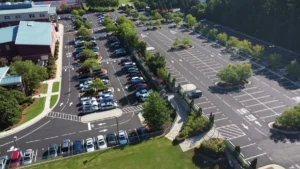
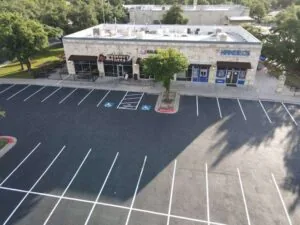
Commercial parking lots: Stabilizing the subgrade before paving creates a stronger foundation for traffic loads. Existing lots with recurring pavement damage may also require repairs that address conditions below the surface.
Roads and access lanes: Stabilized soil provides dependable support beneath paved travel areas.
Commercial and industrial construction: Soil treatment may form part of site preparation beneath slabs and other improvements.
Industrial and mining access roads: Stabilization can strengthen soil where heavy vehicles repeatedly load unpaved or paved travel routes.
Why Is Soil Stabilization Important for Texas Clay Soil?
Many Central Texas properties sit on clay soil. Clay soil absorbs moisture and expands when wet, then contracts as it dries. This repeated shrink-and-swell movement can affect the pavement and structures supported by the soil.
For this reason, clay soil stabilization helps prevent cracks and other damage in commercial parking lots, roadways, and other paved surfaces in Austin. With a strong foundation, concrete pavements become more resistant to potholes, alligator cracking, and more.
Signs Expansive Clay May Be Affecting a Property
Expansive clay can cause visible changes as the soil beneath the pavement or concrete expands and contracts. Watch out for signs such as:
Recurring pavement cracks: Cracks that come back after repairs may point to movement below the surface.
Heaving or raised areas: Sections of pavement or concrete may rise as the soil beneath them expands.
Uneven settlement: Pavement or slabs may sink in some areas as soil conditions change.
Gaps between surfaces: Gaps may develop where concrete or pavement meets adjoining structures.
These signs don’t automatically confirm a soil issue. Geotechnical testing, such as Atterberg Limits, measures soil characteristics such as liquid and plastic limits.
The resulting Plasticity Index (PI) indicates the soil’s plasticity and gives a clear picture of what’s going on beneath the surface.
Why Compaction Alone May Not Solve the Problem
Compaction and stabilization address different problems. Compaction makes soil denser, but it doesn’t necessarily change the properties that cause expansive clay to shrink and swell.
A project may therefore require both compaction and stabilization. Testing the existing soil first gives the project team the information needed to choose the right subgrade preparation method.
Common Soil Stabilization Methods
Different soil stabilization methods address different soil and project conditions. Soil type, moisture, Plasticity Index (PI), traffic loads, and project specifications all influence which approach makes sense.
Some of the most common soil stabilization techniques include:
Lime Stabilization
Lime stabilization mixes lime into clay soil to change its properties and reduce plasticity. This technique is commonly used for expansive clay subgrades beneath roadways, parking lots, and other paved surfaces.
Cement Stabilization
Cement stabilization mixes Portland cement with existing soil to create a stronger, more rigid supporting material. It’s often used for pavements that need increased durability and load-bearing capacity.
Other Stabilization Materials and Techniques
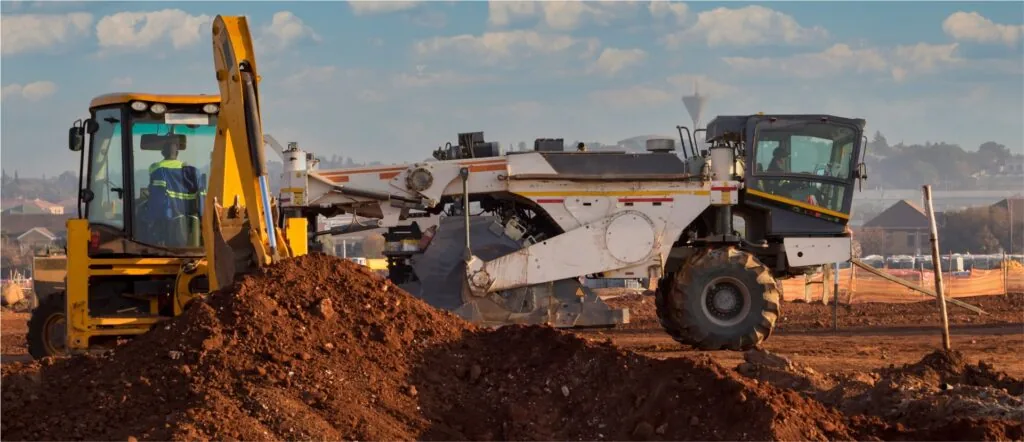
Other soil stabilization techniques may use pozzolanic materials, blended treatments, or mechanical methods. Soil type, project specifications, material availability, pavement thickness, and engineering requirements all determine which approach fits the site.
Common Soil Stabilization Mistakes on Texas Projects
Successful stabilization starts with understanding the existing soil, not applying the same treatment to every site. Common mistakes to avoid include:
Skipping soil testing: Selecting a treatment without understanding the soil’s properties increases the risk of using the wrong method. Testing provides the information needed to develop an appropriate stabilization plan.
Treating the soil too shallow: Treatment must reach the depth specified for the site’s conditions and project requirements. Otherwise, unstable material beneath the treated area may continue to affect pavement performance.
Moving to paving too quickly: Stabilization materials require proper mixing, moisture control, compaction, and curing according to the project specifications. Rushing the process may affect the performance of the treated subgrade.
Ignoring drainage problems: Stabilization doesn’t replace proper drainage. Grading and drainage should direct water away from the pavement structure and limit unnecessary moisture exposure.
Using the same method for every project: Soil conditions vary throughout Central Texas and even across individual sites. Contractors should base the stabilization method on testing, site conditions, and the demands of the finished pavement.
Soil Stabilization in Texas FAQs
How long does soil stabilization last?
Properly designed stabilization changes the properties of the treated soil to create a stronger subgrade. Long-term performance still depends on the treatment method, site conditions, drainage, and pavement design.
Does soil stabilization prevent foundation cracking in Texas?
Soil stabilization can reduce movement associated with expansive soils, but it doesn’t eliminate every cause of foundation cracking. Existing structural problems require a professional assessment before selecting the right repair approach.
How much does soil stabilization cost in Texas?
Soil stabilization costs vary based on the size of the treatment area, soil conditions, treatment depth, the technique used, and project requirements. A project assessment and soil testing provide the information needed to provide an accurate estimate.
Is soil stabilization required by Texas building code?
Soil stabilization requirements depend on the project, site conditions, engineering specifications, and applicable local requirements. Commercial property owners and contractors should review project specifications and local requirements before scheduling a service.
Can soil stabilization fix an existing heaving parking lot?
Soil stabilization addresses the material beneath the pavement, not surface damage. An existing heaving parking lot may require pavement removal and subgrade work before installing new pavement.
Keep Your Pavement Durable Year-Round
For commercial projects with unstable or expansive soil, RDC Paving provides comprehensive soil stabilization services throughout Central Texas. Schedule an on-site assessment today to identify what’s causing pavement movement and which stabilization approach fits your property.