Get Started On Your Asphalt Restoration
At RDC Paving, we help commercial properties across Texas rebuild pavement in a way that is more efficient and better aligned with how your property actually operates.
When your pavement starts to show wear, jumping straight to full replacement is not always the right move. With asphalt milling, we can restore the surface and keep the structure underneath that still has life left in it. At RDC Paving, we help commercial properties across Texas rebuild pavement in a way that is more efficient and better aligned with how your property actually operates.
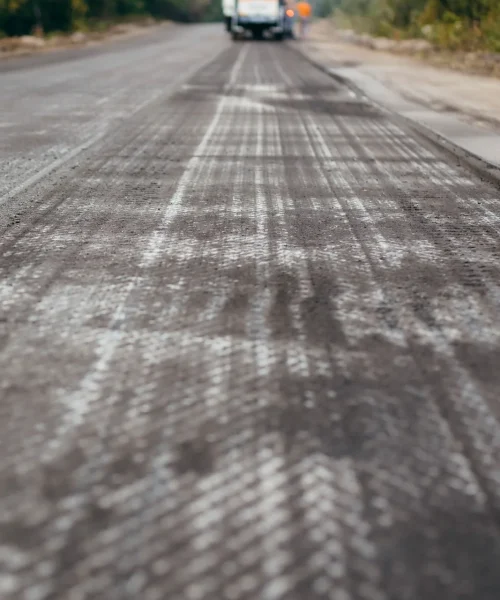
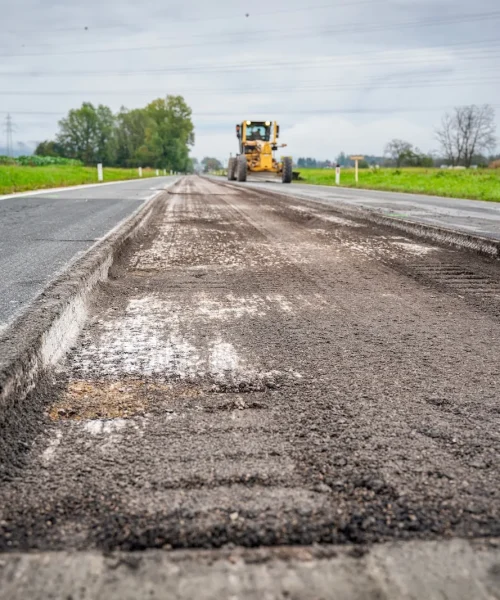
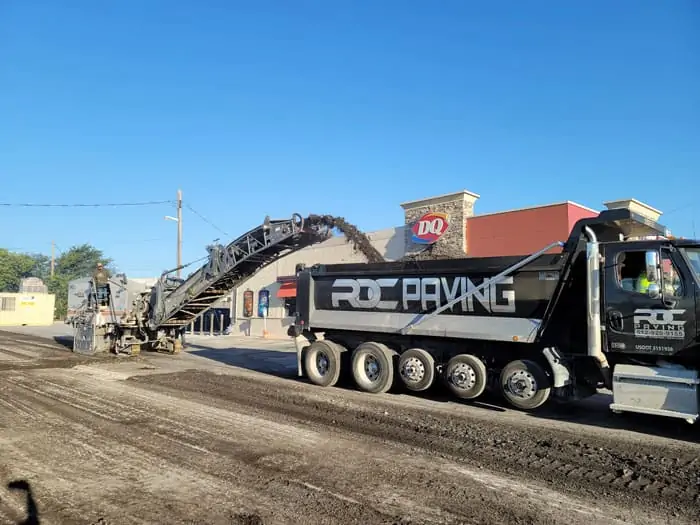
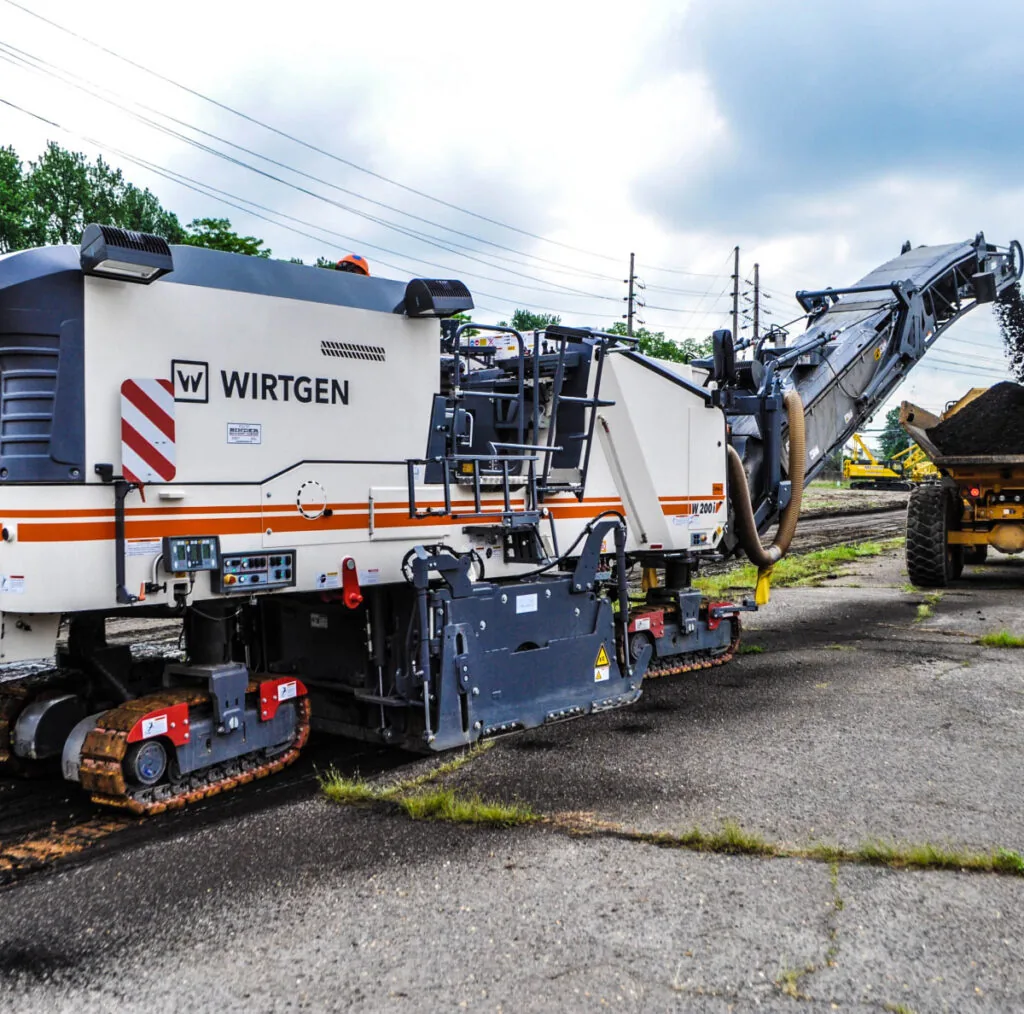
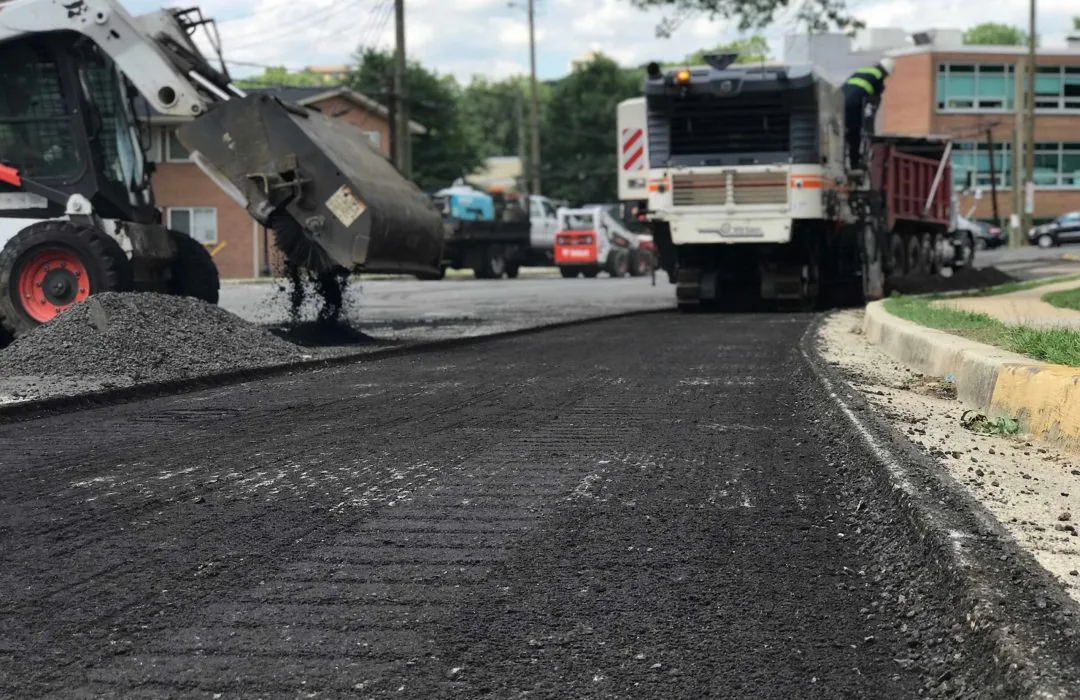
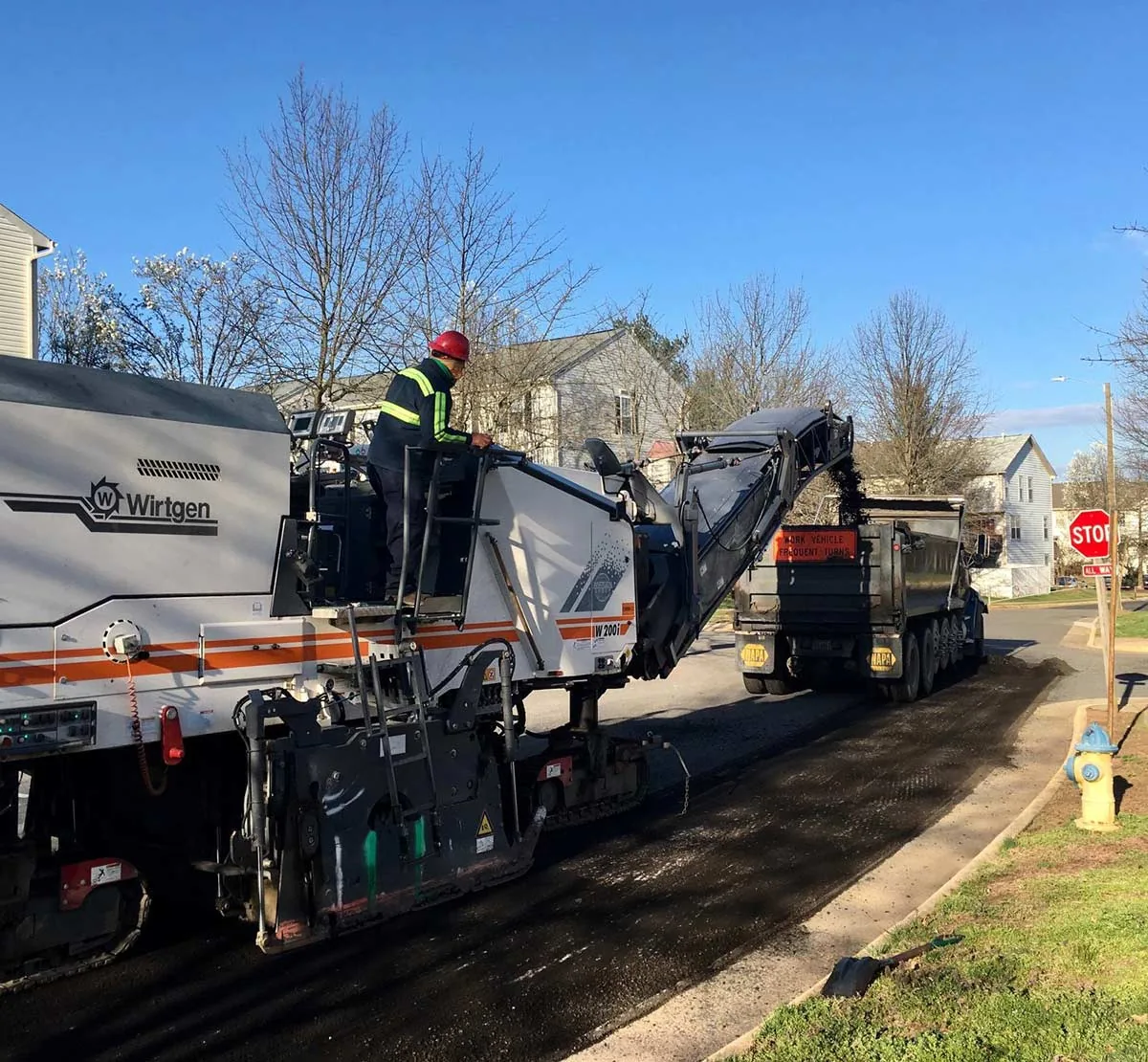
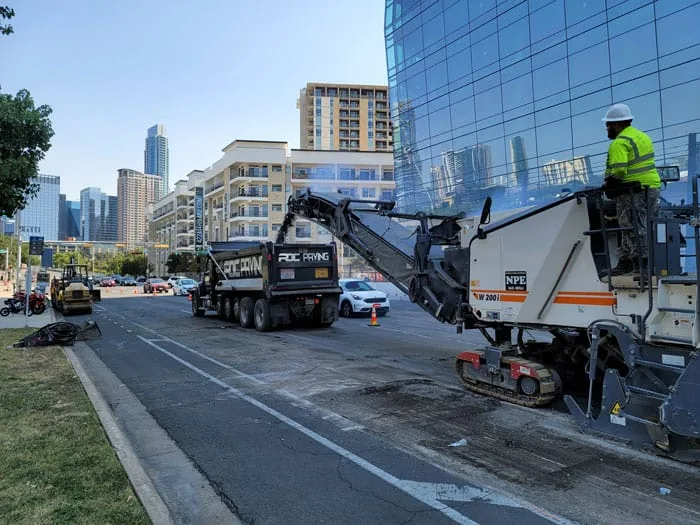
Asphalt milling is a controlled process that removes a specified depth of existing pavement, typically between 1.5 and 2 inches, to create a clean, uniform surface ready for new asphalt. Instead of removing the entire structure, milling focuses on correcting surface-level wear while preserving the underlying base when it is still performing as expected.
By leveling uneven areas and reestablishing proper grades, milling helps water move where it needs to and keeps transitions at areas like curbs and loading zones consistent. During the process, equipment grinds the existing asphalt, removes debris, and adjusts utility structures like valve boxes and manholes to match the new elevation.
When the surface is the problem, but the base is still holding up, milling gives you a way to reset the surface without tearing everything out.
Full-depth reclamation is used when pavement issues extend below the surface and affect the structural integrity of the base. Rather than removing and replacing materials, this process rebuilds the pavement system in place by pulverizing the asphalt and a portion of the base, then blending and stabilizing it into a new foundation.
This method comes into play when cracking is widespread or when the base itself has started to fail, and surface-level repairs no longer hold. Once stabilized, the reclaimed material is reshaped and compacted to create a consistent base that is ready for new asphalt to be installed. It addresses the problem at its source and avoids the disruption that comes with removing and replacing everything.
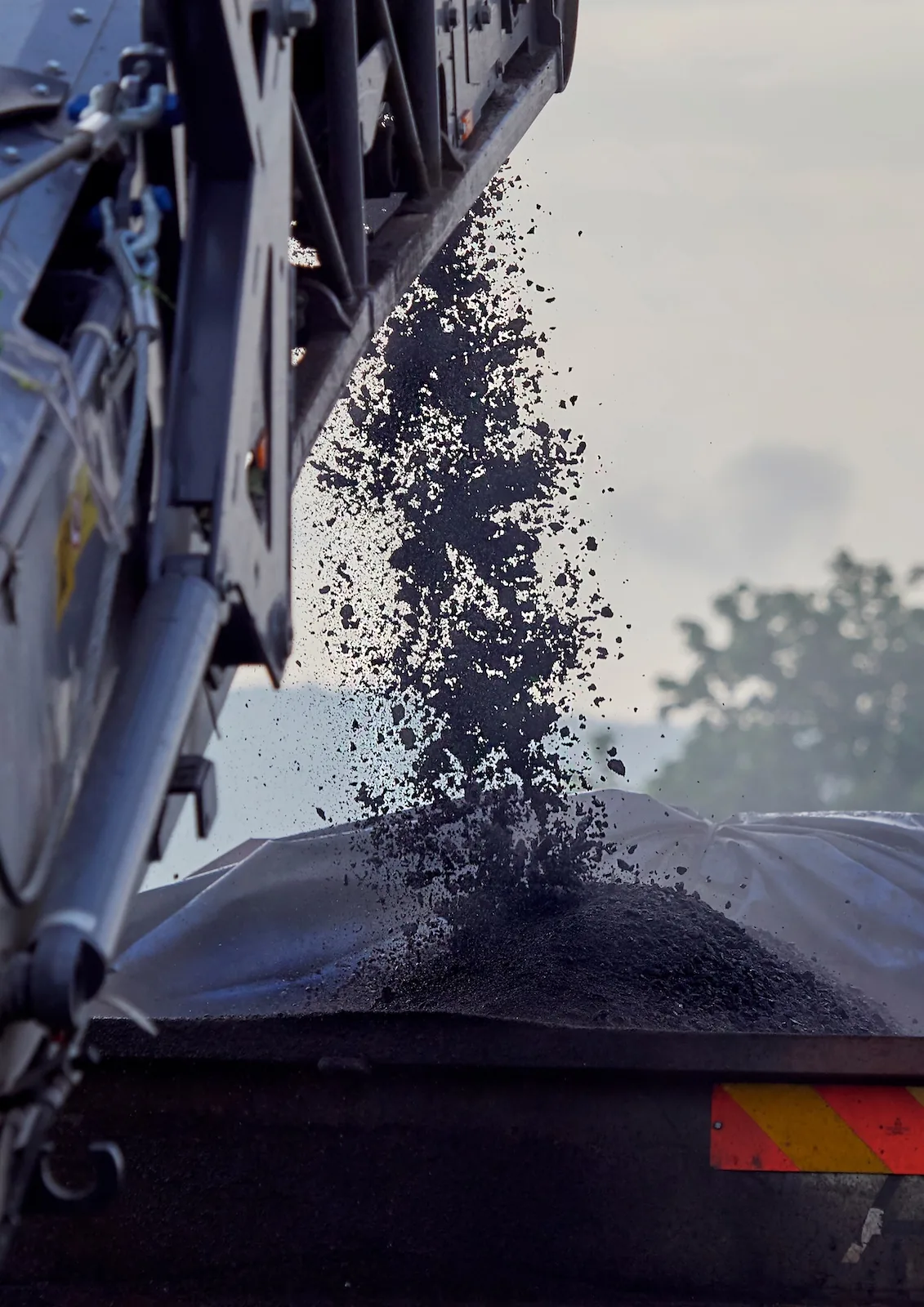
Asphalt is built to be reused. It is one of the most recycled materials in the country for a reason. When pavement is milled or reclaimed, it is not hauled off as waste. It is processed and worked back into new mixes without losing the strength and performance it was designed for.
The aggregates and asphalt binder still hold their structure, which means they can go right back into a new pavement system that meets today’s standards. That is what makes asphalt milling and full-depth reclamation such a reliable approach in commercial paving.
Instead of starting from scratch, the process builds on what is already in place and keeps usable material working. It reduces unnecessary hauling and keeps projects moving without adding extra steps or delays, all while delivering a surface that is built to handle long-term use.
Asphalt pavement is built by combining aggregates such as crushed stone, gravel, and sand with a petroleum-based binder that holds the material together. This unique mixture is engineered to handle repeated traffic loads while maintaining flexibility as conditions change.
Each layer plays a role in how the pavement performs:
Due to the layered construction, asphalt can be milled, reshaped, and rebuilt without removing the entire structure. This design allows contractors to correct surface issues or rebuild foundations while preventing waste by still making use of the existing materials.
Every project starts with a close look at how the pavement is holding up and where it is starting to break down. From there, we map out the right approach to correct the problem and set the surface back up to perform the way it should day to day.
Here is how that process typically comes together:
We remove any obstructions, clean the surface, and assess the condition of the existing pavement.
We use special equipment to remove the top layer, a process that involves grinding the asphalt material so it can be repurposed.
We grind and blend the leftover asphalt material with soil and aggregates to strengthen the pavement’s foundation.
We repair any damaged areas in the subgrade to lay a strong foundation for the new asphalt layer.
We apply the fresh asphalt to the pavement and compress it.
We apply line striping and other road markings.
Reclaimed asphalt gives you a smarter way to rebuild pavement without starting from scratch. Instead of tearing everything out and replacing it with new material, you are putting what is already there back to work. That shift changes how the entire project comes together. It keeps things moving, reduces waste, and delivers a surface that is built to handle real use.
Asphalt binder is one of the most expensive components in any mix. Reusing it keeps costs in check while still delivering the strength and durability expected from a properly built pavement.
Materials like stone and sand are not unlimited. Reclaiming asphalt keeps those resources in circulation and reduces the need for additional mining.
Recycled asphalt is already built into how commercial and municipal paving projects are done today. It is not a workaround. It is part of the standard.
Keeping asphalt in use means less material going to landfills and fewer trucks hauling debris in and out of the site. That alone can make a noticeable difference in how a project impacts the surrounding area.
When it is processed correctly, reclaimed asphalt holds up. It handles traffic, resists moisture, and maintains the structural integrity needed for your commercial space’s long-term performance.
The best way to get the most life out of your asphalt is to stay ahead of wear and tear. A pavement management plan built around routine inspections and preventative maintenance helps you catch small issues early and keep everything performing the way it should.
Ongoing asphalt maintenance typically includes:
Staying consistent with these services helps extend the life of your pavement and keeps repairs manageable instead of unexpected.
If the surface is worn but the base is still in good shape, milling is usually the right move. If you are seeing deeper issues like widespread cracking or instability, full-depth reclamation is the better option because it rebuilds the structure underneath.
An overlay gives you a new surface, but it does not fix what is happening below it. Milling helps correct surface wear without changing elevation, and reclamation rebuilds the base when there are structural problems. Both also reuse existing material, which helps reduce waste and unnecessary costs.
RDC Paving is the trusted name for reliable maintenance, repair, and installation services in communities throughout every community in Central Texas area including:
Austin | Georgetown | Hutto | Kyle | Waco | Killeen | Temple | New Braunfels | San Antonio | Leander
At RDC Paving, we help commercial properties across Texas rebuild pavement in a way that is more efficient and better aligned with how your property actually operates.