
Professional Asphalt Paving Services Across Texas
Asphalt paving is one of the first things that shapes how your property is experienced, and one of the first things to cause problems when it starts to fail. Problems like cracks and uneven surfaces affect more than appearance. Over time, they start to disrupt how the space functions, making everyday use less reliable than it should be.
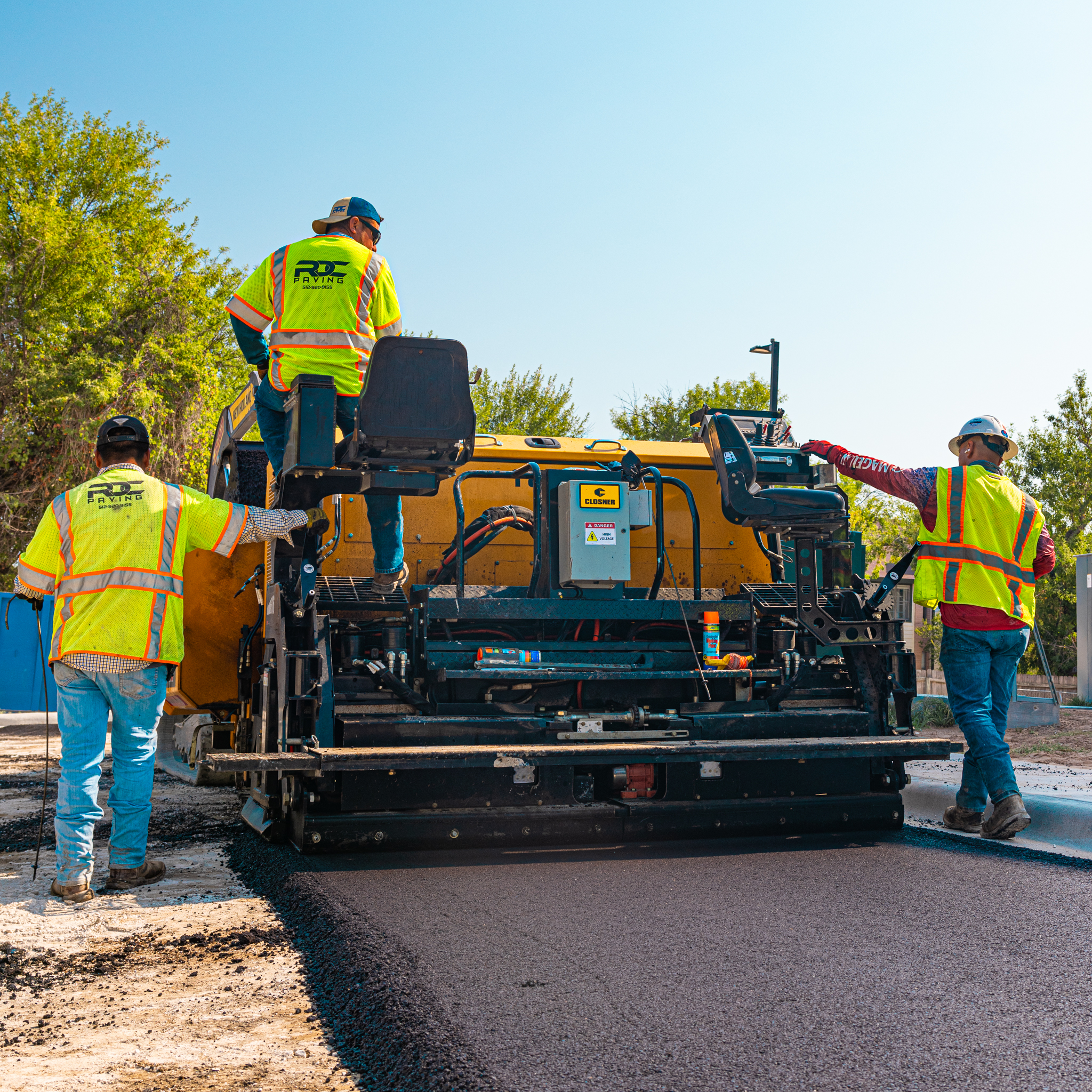
At RDC Paving, we handle commercial asphalt paving projects across Austin for properties that cannot afford those disruptions. From parking lots and access roads to large-scale commercial surfaces, our self-performing crews build pavement designed to hold up under Texas traffic and weather, with build quality that performs under real pressure, not just on day one.
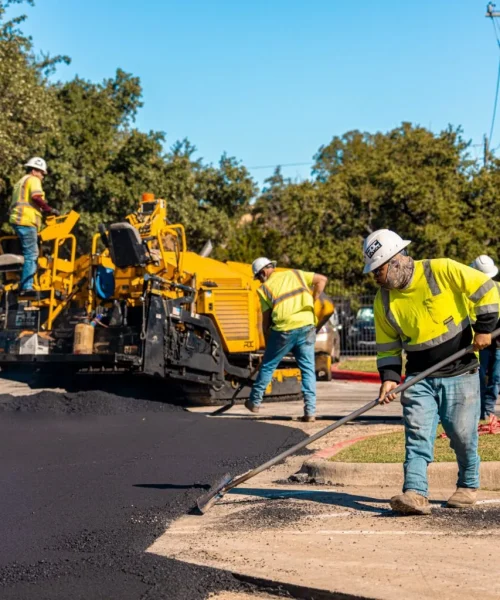
Your Premier Asphalt Paving Company in Texas
Commercial properties do not have the luxury of downtime. When pavement fails, it affects operations, safety, and how people move through your site. That is where having the right crew and process in place makes a difference.
At RDC Paving, we install and restore asphalt surfaces for businesses, municipalities, and large facilities across the Austin area. Our crews handle everything from parking lots and access roads to high-traffic commercial spaces where the pavement has to perform consistently over time.
The difference comes down to how the work is handled on-site:
- Self-Performing Crews: Every phase of the project is handled in-house, which keeps quality consistent and timelines predictable.
- Built For Commercial Use: We design pavement to handle traffic loads, delivery vehicles, and daily wear that lighter surfaces cannot support.
- Local Experience In Texas Conditions: Heat, expansion, and sudden weather shifts all impact pavement performance. Our work accounts for those conditions from the start.
- Efficient Project Execution: From prep to final striping, our crews keep projects moving to reduce disruption to your business.
Whether you are building new pavement or improving an existing surface, our team focuses on getting it right the first time so you are not dealing with the same problems a year down the line.
What Is Asphalt?
Asphalt is a paving material made from a combination of aggregates like crushed stone, sand, and gravel, blended with a binding agent called bitumen. When these materials are mixed and compacted, they form a flexible surface that can handle traffic, shifting ground conditions, and long-term wear.
Because of that flexibility and strength, asphalt is used across a wide range of applications, including:
- Roads And Highways
- Parking Lots
- Airport Runways
- Industrial Facilities
- Bicycle Lanes And Pathways
- Sidewalks And Walkways
- Athletic Surfaces
For commercial properties, asphalt paving gives you more flexibility over time as conditions change. When areas start to wear down, they can be repaired or resurfaced without replacing the entire pavement structure.
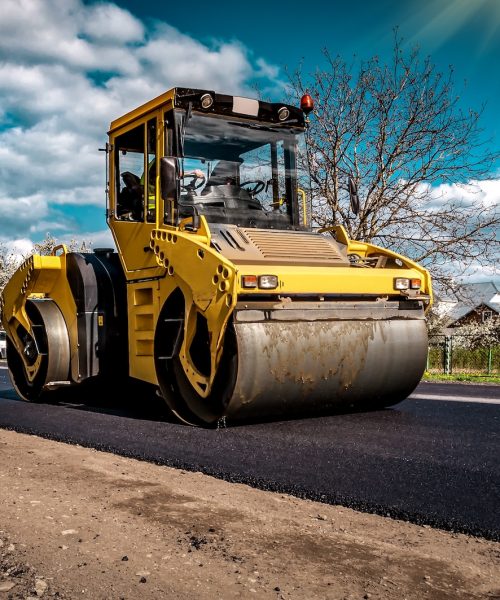
Asphalt Is the Most Sustainable Form of Pavement
Sustainability in paving is tied to how materials are handled over time, from initial installation to future repairs and rebuilds. The more a material can be reused, the more value it continues to provide.
That is where asphalt stands out. Nearly 94 percent of asphalt removed from existing pavement is reused in new projects, allowing crews to rebuild surfaces without starting from scratch or sending large amounts of material to landfills.
Beyond recycling, asphalt offers several practical advantages:
- Reduced Material Waste: Existing pavement can be reclaimed and reused instead of being sent to landfills.
- Lower Energy Use During Production: Asphalt typically requires less energy to produce compared to other paving materials.
- Fewer Emissions During Installation: Modern asphalt production methods continue to reduce greenhouse gas output.
- Cost Efficiency Over Time: Recycled materials help control project costs while maintaining performance.
For property owners, that translates into a surface that performs while making better use of materials over time, both in initial construction and future repairs.
Our Asphalt Paving Services
At some point, every property starts to show signs that the pavement needs attention. It often starts with small cracks, surface wear, or areas that no longer drain properly. Left alone, those issues build into larger problems that affect how the space functions day to day.
Our asphalt services are designed to address those problems at the right stage. Instead of pushing every project toward full replacement, we focus on the solution that best fits your pavement’s condition and how the property is actually used.

Asphalt Overlay
When the surface begins to wear, but the base is still intact, an asphalt overlay can extend the life of your pavement without the cost of a full rebuild. Our crews remove the top layer as needed and install new asphalt to restore smoothness and improve drainage, giving the lot a clean, updated surface while keeping downtime and costs under control.

Parking Lot Expansion
As traffic increases, parking layouts that once worked can start to feel tight or inefficient. Expanding your lot helps improve flow and accessibility as traffic increases or the way the property is used begins to change.
We handle expansions from start to finish, including grading, drainage, and layout planning, so traffic moves safely through the space. Line striping and ADA-compliant layouts are completed as part of the process, resulting in a surface that is organized and built for daily use.

Asphalt Reclamation & Repaving
When damage runs deeper than the surface, patching or overlays will not address the underlying issues. Reclamation and repaving allow us to rebuild the structure without hauling everything off-site.
The existing asphalt is reused and blended into the base to create a stabilized foundation before new pavement is installed. This corrects deeper structural problems, eliminates widespread cracking, and brings the surface back to a condition built to handle consistent, heavy use.

Patching
Localized damage like potholes or surface breaks can spread quickly if left untreated. Patching focuses on removing those damaged areas and rebuilding them so they tie back into the surrounding pavement.
Depending on the severity, we use skin patches, partial depth repairs, or full-depth patching to restore strength where it is needed. Addressing these areas early helps keep the pavement performing longer without larger repairs.

Crack Filling
Cracks are often the first sign that pavement is starting to break down. What looks minor on the surface can allow water to work its way beneath, weakening the base and accelerating further damage.
Crack filling seals those openings before they spread or turn into larger structural issues. By keeping water out and stabilizing the surface, this type of maintenance helps extend the life of your pavement and keeps small problems from turning into more expensive repairs.
What Our Customers Are Saying
The Five Types of Asphalt
Not every asphalt mix is built for the same job. The right one depends on how the surface will be used and how much traffic it needs to carry.
Here are five common types of asphalt used across commercial paving projects:
Hot Mix Asphalt
This is the standard for most commercial paving projects. It is installed at high temperatures so it can be compacted into a tight, durable surface that holds up well under constant traffic. You will typically see it used for parking lots, roadways, and other areas that need long-term performance.
Cold Mix Asphalt (Cold Patch)
Cold mix is mainly used for quick, temporary repairs. It can be applied without heating, which makes it useful in colder conditions or for fast fixes in low-traffic areas. It is not meant as a long-term solution, but it works well until a permanent repair can be scheduled.
Warm Mix Asphalt
Warm mix is produced at lower temperatures than hot mix, which makes it easier to transport and work with over longer distances. It also allows for more flexibility in scheduling and reduces energy use during production, while still creating a solid finished surface.
Porous Asphalt
Porous asphalt is designed to let water pass through the surface instead of sitting on top. This helps reduce puddles and improve drainage, especially in parking lots and pedestrian areas where standing water can be an issue.
Dense-Graded Asphalt
This is one of the most commonly used asphalt mixes because it performs well in a wide range of conditions. It creates a strong, stable surface that works across different layers of pavement and holds up under regular traffic and weather exposure.
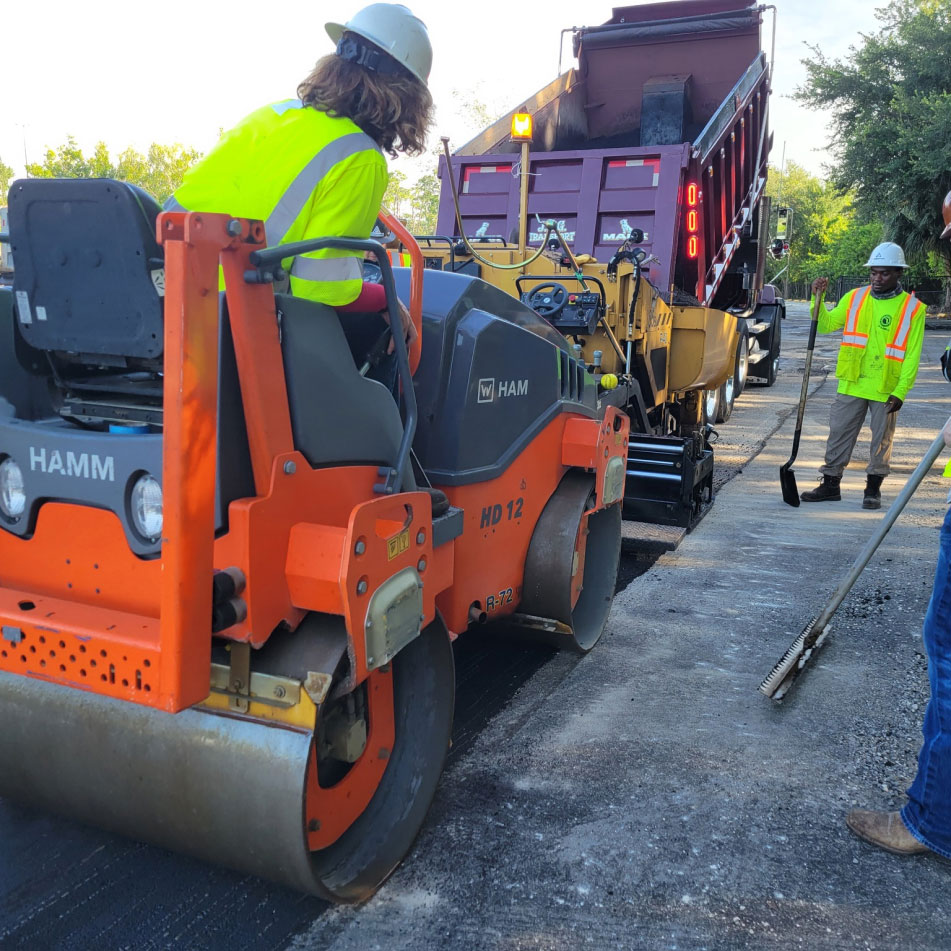
Should You Use Asphalt Or Concrete?
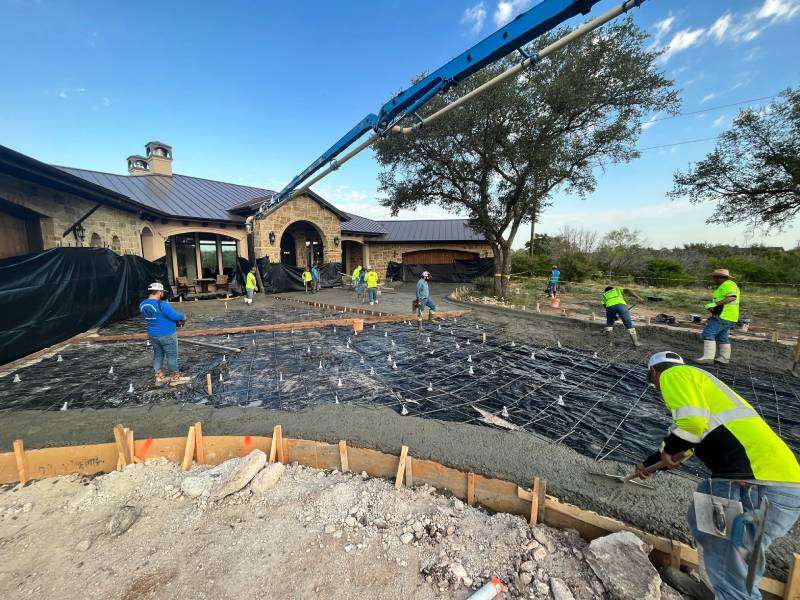
Deciding between asphalt and concrete depends on how the surface will be used, how quickly it needs to be ready, and what maintenance will look like over time.
For most commercial properties, asphalt tends to be easier to work with. It can be installed on a tighter timeline, opened to traffic sooner, and repaired without tearing out large sections. Concrete is typically used in areas where a more rigid surface is needed for specific structural demands.
Here is a side-by-side look at how they compare:
| Factor | Asphalt | Concrete |
|---|---|---|
| Installation Time | Faster installation and quicker turnaround | Longer curing time before use |
| Cost | Lower upfront cost for large areas | Higher initial investment |
| Repairs | Can be repaired in sections without full removal | Repairs often require larger sections to be replaced |
| Durability | Flexible and adapts to ground movement | Rigid and can crack under stress |
| Maintenance | Easier and more cost-effective to maintain | Lower frequency but higher repair costs |
| Weather Performance | Handles temperature changes well | Can be affected by expansion and contraction |
Our Asphalt Paving Process
At every step, Encore Pavement uses high-quality materials and experienced crews to deliver pavement that lasts. By combining proper technique with skilled workmanship, we help extend the life of your investment.
We follow a proven process to ensure quality results every time:
1
Inspection
We evaluate the existing pavement, apply a fresh layer, and perform other initial steps.
2
Milling or Removal
We evaluate the existing pavement, apply a fresh layer, and perform other initial steps.
3
Base Repair
Any damaged base material is repaired to ensure strength.
4
Paving
New asphalt is installed and compacted for a smooth finish.
5
Line Striping
Fresh markings restore organization and improve safety.
Our Asphalt Paving Projects


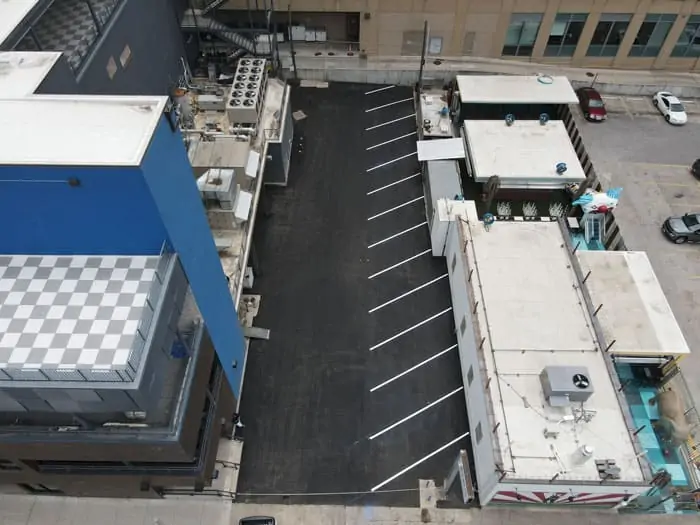
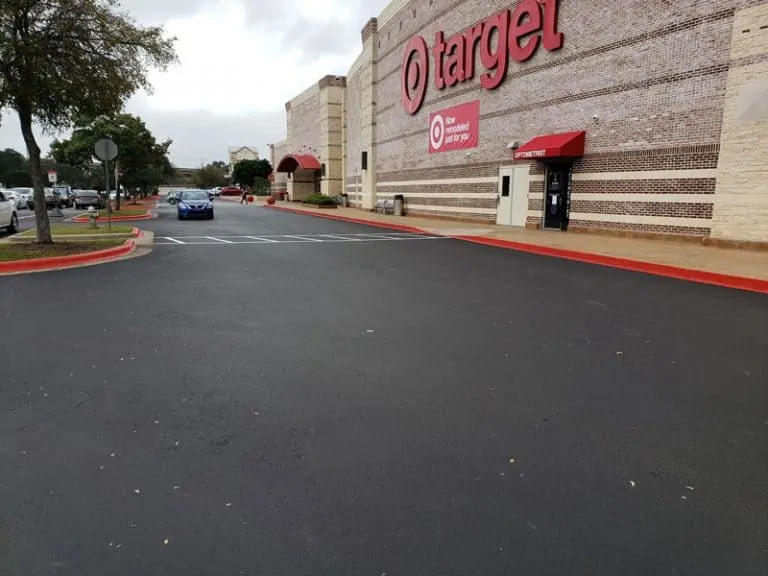
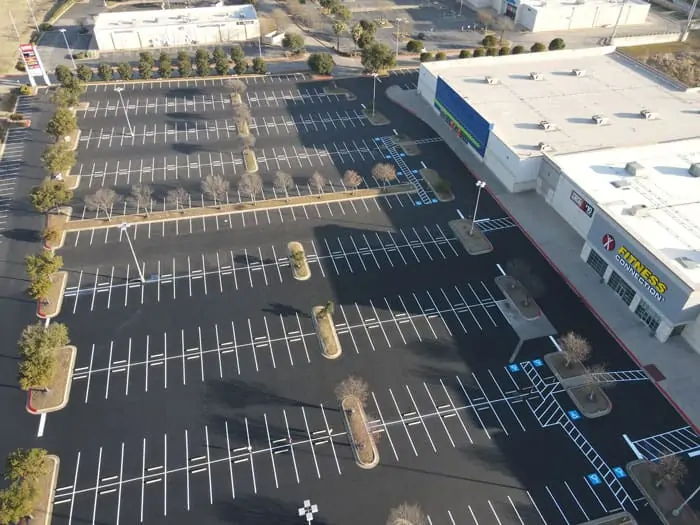
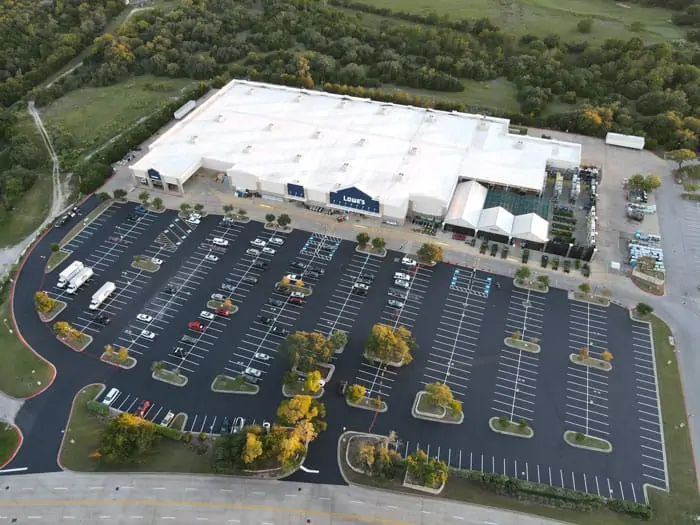
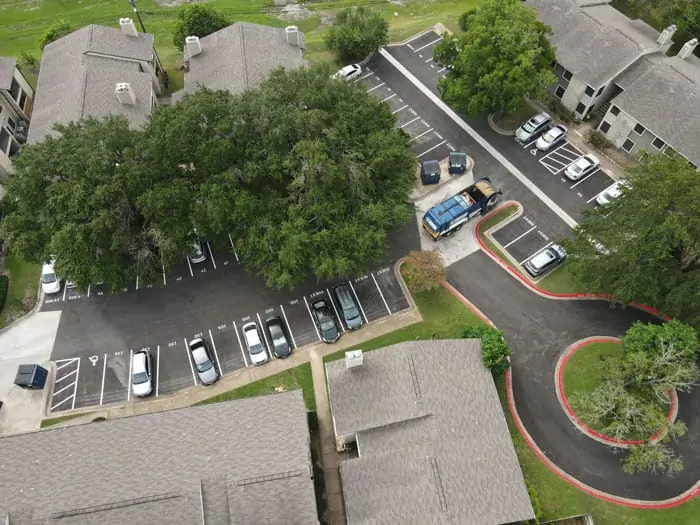
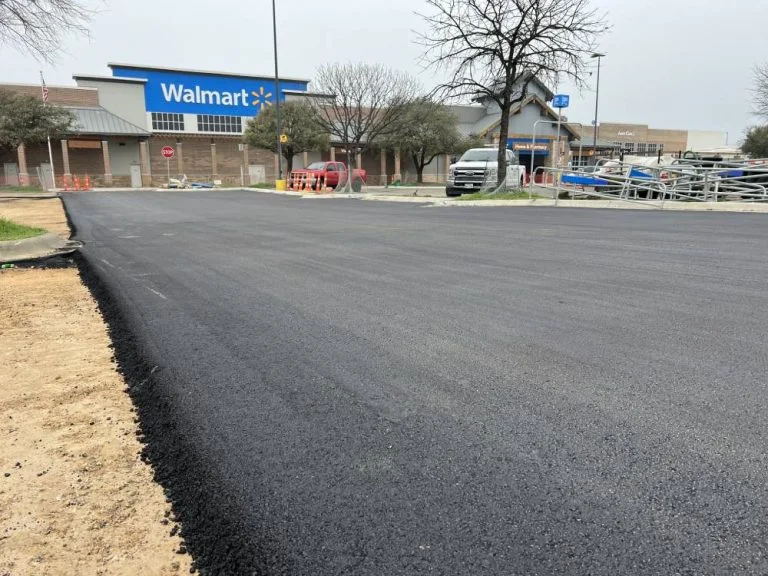
Asphalt Paving FAQs
What Causes Asphalt Deterioration?
Asphalt naturally wears over time, but certain factors can speed up the process:
- Heavy Traffic And Load Stress: Repeated weight from vehicles, especially delivery trucks, can weaken the surface.
- Poor Drainage: Water that sits on the pavement can seep into cracks and damage the base.
- Oil And Gas Exposure: Chemical spills can break down the binding materials in asphalt.
- Lack Of Maintenance: Small issues like cracks can grow into larger problems if they are not addressed early.
- Temperature Fluctuations: Expansion and contraction from changing weather conditions can lead to cracking.
What Is Asphalt Paving?
Asphalt paving is the process of installing a surface made from a mixture of aggregates and bitumen. It is commonly used for commercial parking lots, roadways, and industrial spaces because it can be installed efficiently and maintained over time.
When Is The Best Time To Pave My Parking Lot?
Warm, dry conditions are ideal for commercial asphalt paving. In Texas, spring through early fall typically provides the best window for proper compaction and curing.
Does RDC Paving Handle Residential Driveways?
Our work is focused on commercial paving projects. We handle parking lots, commercial driveways, and large-use surfaces for businesses, municipalities, and industrial properties.
Speak With Our Asphalt Paving Contractors
Have questions about our services or want to know more about joining the RDC Paving team? Give us a call, send us an email, or visit us in person. We look forward to speaking with you.
Our Service Areas
Central Texas's Premier Asphalt Paving & Concrete Company
RDC Paving is the trusted name for reliable maintenance, repair, and installation services in communities throughout every community in Central Texas area including:
Our Headquarters:
Explore Other Services









Built For Pavement That Has To Perform
Pavement issues have a way of building over time. What starts as surface wear can turn into larger repairs that begin to affect how the property functions day to day.
RDC Paving works with businesses across Austin to address those problems early and build surfaces that continue to perform under daily use, not just right after installation. With self-performing crews and a focus on long-term performance, every project is completed to keep your property functional and reliable.
If your pavement is showing signs of wear or you are planning a new project, our team is ready to help you move forward with a clear plan and a surface built to handle how your property is actually used.